

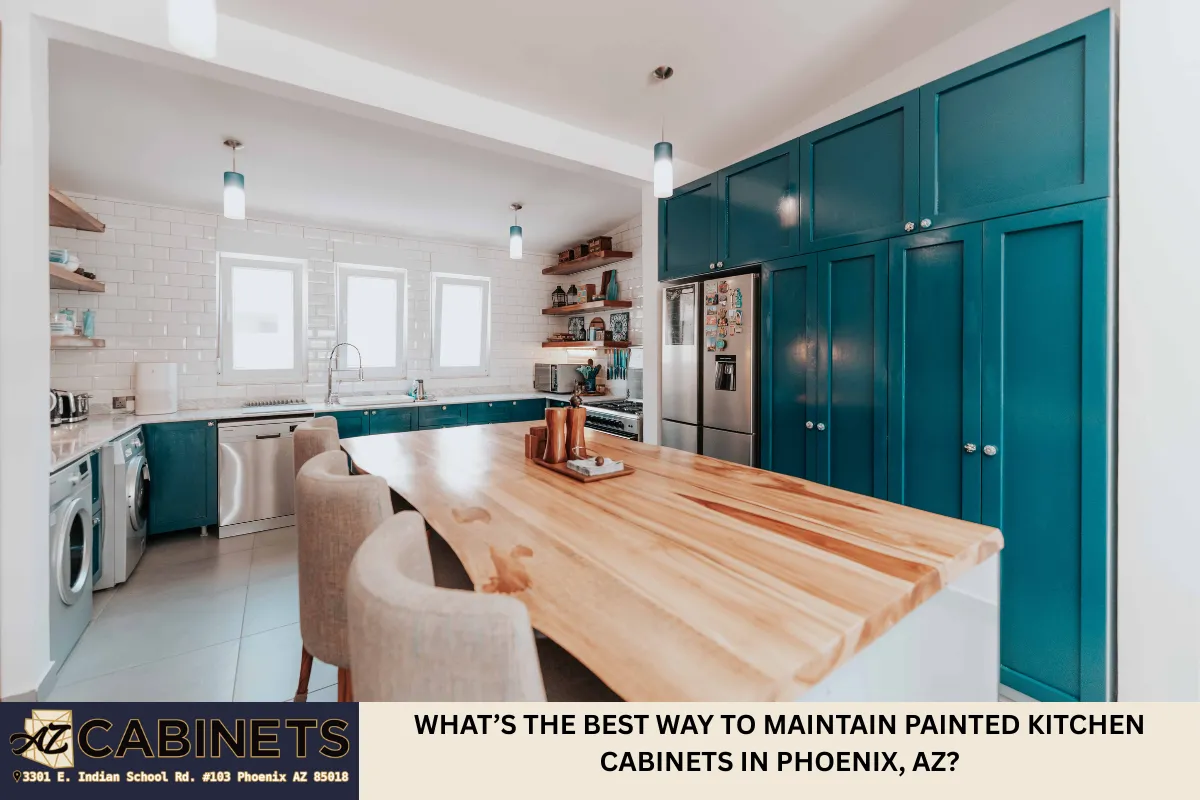
Why Painted Cabinets Struggle in Desert Kitchens—and How to Fix It
Kitchen Cabinets in Phoenix, AZ face a unique set of challenges that homeowners in milder climates rarely encounter. Intense heat, low humidity, airborne dust, and constant use all work against painted finishes, causing premature fading, cracking, and buildup around doors and drawers. When cabinets lose their finish, the entire kitchen can feel worn and dated—often sooner than expected. That frustration grows when routine cleaning seems to make things worse rather than better. The good news is that painted cabinetry can last for years in desert kitchens with the right maintenance strategy. This guide explains exactly how to protect your kitchen cabinets, preserve their finish, and keep your kitchen looking polished despite Arizona’s demanding environment.
The Desert Climate Factor Every Homeowner Should Know
Phoenix kitchens operate in conditions that are unforgiving to painted surfaces. High summer temperatures, dramatic indoor-outdoor temperature swings, and arid air pull moisture from wood components. Over time, this causes expansion and contraction that stresses paint layers and seams.
Painted kitchen cabinet doors are especially vulnerable along edges, joints, and around hardware. When heat dries out the substrate, even premium finishes can develop hairline cracks or peeling if not properly cared for. Dust particles carried in through doors and windows also act like fine sandpaper, dulling surfaces when wiped incorrectly.
Understanding how climate interacts with kitchen cabinetry is the foundation of long-term care. Maintenance is not just about cleaning—it’s about managing environmental stress.
Choosing the Right Paint Finish Makes Maintenance Easier
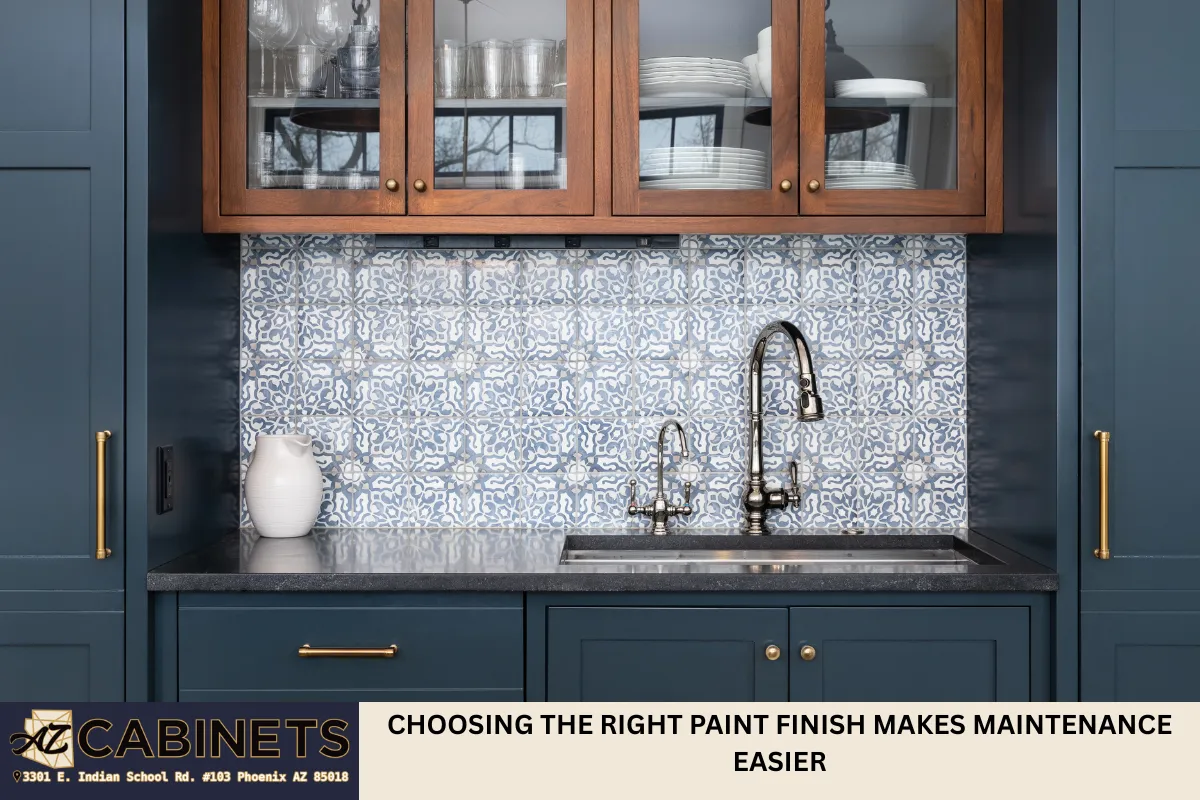
Not all painted cabinets are created equal. The type of paint and sheen dramatically affects how easy cabinets are to maintain in everyday kitchens.
Durable Finishes That Perform Best in Phoenix Homes
High-quality cabinet finishes are designed to resist heat, grease, and moisture fluctuations. Many professional cabinet manufacturers rely on advanced enamel and lacquer systems used by brands such as Sherwin-Williams and Benjamin Moore for their durability and cleanability.
Satin and semi-gloss finishes tend to outperform flat paints in busy kitchens. They repel stains better, allow easier cleaning, and hold up longer against constant handling.
Why Flat Paint Is a Risk in Kitchen Spaces
Matte finishes may look modern, but they absorb oils and fingerprints more easily. In Phoenix kitchens where cooking oils evaporate quickly and settle on surfaces, flat finishes can discolor faster and require more frequent touch-ups.
Daily Habits That Preserve Painted Cabinet Surfaces
Maintenance doesn’t start with deep cleaning—it starts with small daily habits that reduce wear over time.
Use Gentle Cleaning Tools Only
Avoid abrasive sponges, scrub pads, or stiff brushes. These break down protective paint layers quickly. Instead, microfiber cloths trap dust without scratching.
Wipe Spills Immediately
Painted kitchen cabinet surfaces can stain if liquids sit too long, especially near sinks and prep areas. Quick wipe-downs prevent discoloration and swelling around seams.
Keep Cabinet Doors Dry
Steam from dishwashers and boiling pots rises directly toward cabinet faces. Using exhaust fans and opening dishwashers only after cooling helps protect paint integrity.
Weekly Cleaning That Won’t Damage the Finish
Routine cleaning keeps cabinets looking fresh, but technique matters more than frequency.
Safe Cleaning Solution for Painted Cabinets
A simple mix of warm water and a few drops of mild dish soap is usually enough. Avoid ammonia, bleach, citrus solvents, or vinegar solutions, which can soften or dull painted finishes.
Correct Wiping Method
Always wipe in the direction of the wood grain, even on painted surfaces. This reduces micro-scratches and keeps sheen consistent across doors and drawer fronts.
Grease Management in High-Use Kitchens
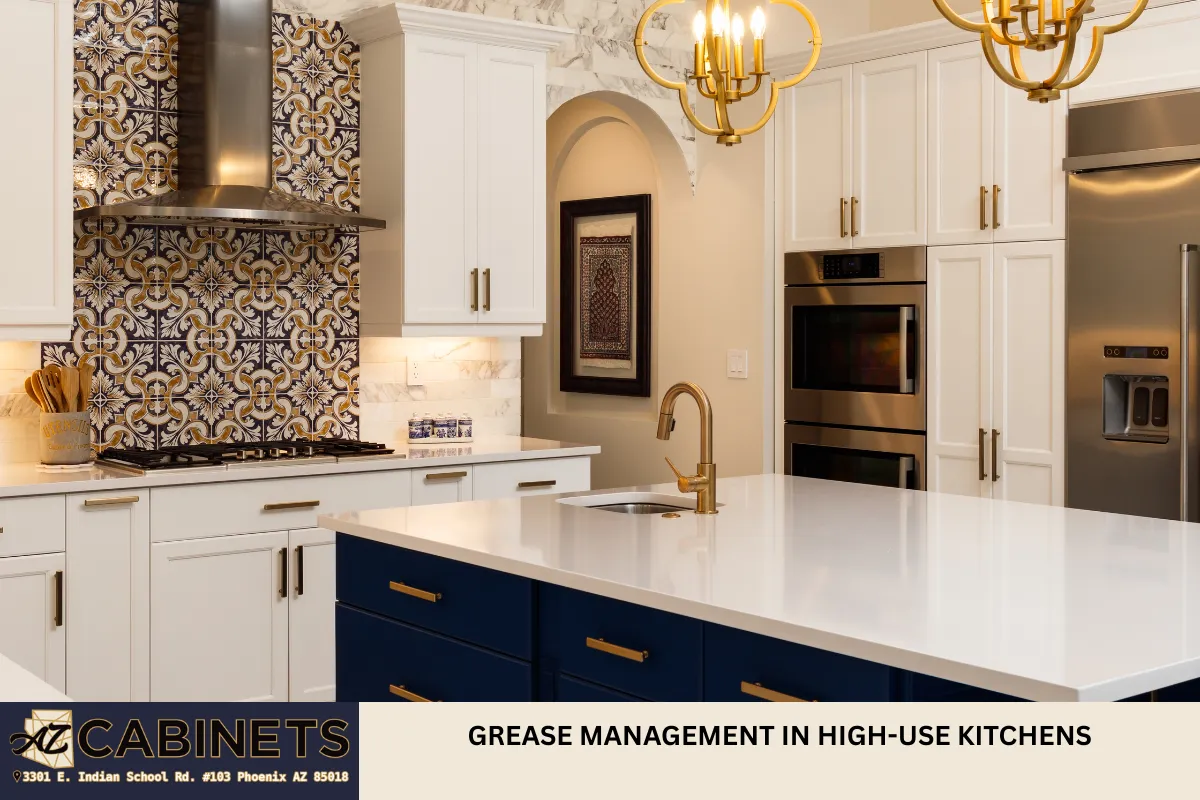
Grease is one of the biggest enemies of kitchen cabinets, particularly around ranges and ovens.
How Grease Affects Painted Finishes
When grease settles on cabinet faces, it forms a sticky layer that attracts dust. Over time, this buildup becomes harder to remove and can permanently discolor lighter paint colors.
Prevention Techniques That Work
- Use range hoods consistently
- Clean surrounding cabinets weekly
- Install protective panels near cooktops
- Avoid touching cabinet doors with oily hands
Grease prevention reduces the need for aggressive cleaning, which extends paint life.
Hardware Maintenance Protects More Than Handles
Cabinet hardware plays a surprisingly large role in finish longevity.
Tighten Hardware Regularly
Loose knobs and pulls rub against painted surfaces, creating friction marks and chips around mounting points.
Clean Hardware Separately
Metal hardware collects oils faster than paint. Removing and cleaning it prevents residue transfer back onto cabinet faces.
Managing Sunlight Exposure in Phoenix Kitchens
Sunlight is intense in Arizona, and prolonged UV exposure can fade painted cabinets unevenly.
Window Treatments Matter
Sheer blinds or UV-filtering window films reduce direct sun exposure without darkening the kitchen.
Rotate Decorative Elements
Items placed near cabinet faces can block sunlight unevenly, leading to noticeable color differences over time.
Read How Do You Stop Mold From Growing in Kitchen Cabinets in Phoenix, AZ?
Seasonal Maintenance for Painted Kitchen Cabinetry
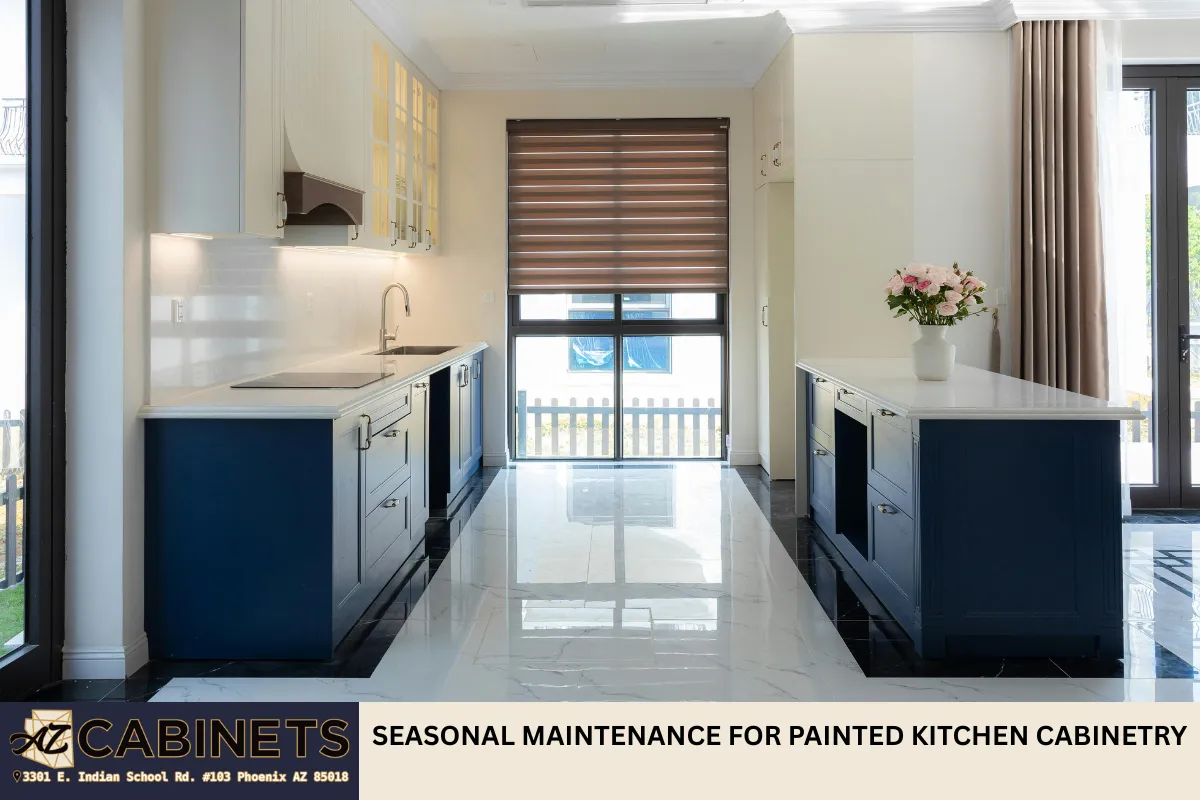
Painted cabinets benefit from seasonal checkups that align with Phoenix’s climate cycles.
Summer Inspection Checklist
- Check seams for cracking
- Inspect edges near appliances
- Monitor cabinet alignment
Winter Adjustments
Though winters are mild, indoor heating still dries air. Using a humidifier helps stabilize wood components behind painted surfaces.
Touch-Up Techniques That Blend Seamlessly
Minor chips and scratches are inevitable, but quick repairs prevent bigger problems.
Use Manufacturer-Matched Paint
Always keep leftover paint or request a color match from a cabinet store or cabinet showroom. Generic paint rarely blends perfectly.
Apply with Precision Tools
Small artist brushes or touch-up pens give better control than foam brushes, reducing visible repair marks.
When Cleaning Isn’t Enough Anymore
Even with proper care, painted kitchen cabinets eventually show signs of age.
Warning Signs That Maintenance Has Reached Its Limit
- Widespread peeling
- Deep discoloration
- Soft or swollen door panels
- Persistent odors absorbed into paint
At this stage, refinishing or replacement becomes the most cost-effective option.
Protecting Cabinet Interiors Often Gets Overlooked
Interior cabinet surfaces experience just as much stress as exteriors.
Shelf Liners Are Essential
Non-slip, breathable liners prevent moisture transfer from dishes and protect painted interiors from scratches.
Avoid Overloading Shelves
Excess weight causes structural stress that can crack paint at joints and fasteners.
How Kitchen Design Impacts Cabinet Longevity
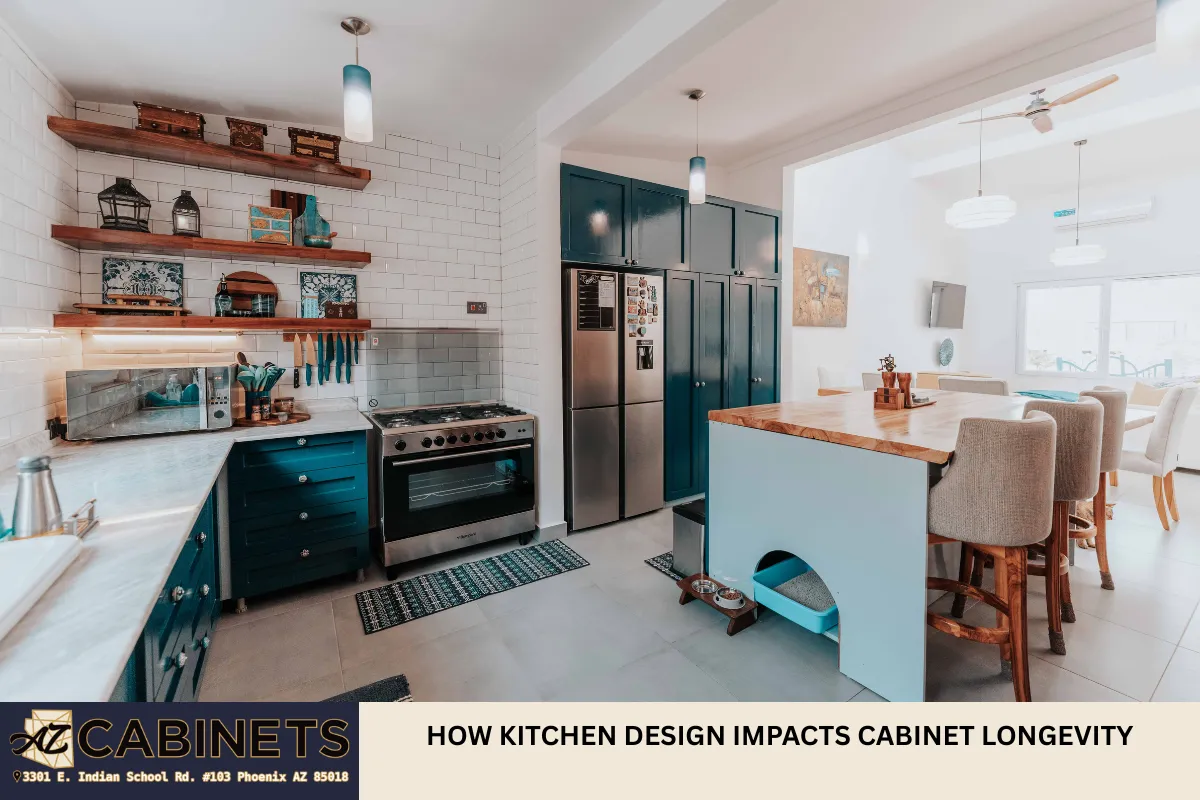
The layout of kitchens influences how cabinets age.
Proper Ventilation Extends Paint Life
Well-placed exhaust systems reduce heat and grease accumulation throughout the kitchen space.
Traffic Flow Matters
Cabinets near entryways or narrow walkways experience more contact, increasing wear on painted finishes.
Maintaining Painted Cabinets in Busy Households
Families with children or frequent cooking routines should adopt proactive strategies.
Assign Cleaning Zones
Regularly rotate cleaning focus areas instead of cleaning everything aggressively at once.
Teach Gentle Use
Soft-close hinges and mindful door handling significantly reduce impact damage over time.
Long-Term Value of Proper Cabinet Care
Well-maintained kitchen cabinetry holds its value longer and enhances resale appeal. Buyers notice clean finishes, consistent color, and smooth operation—all signs of a cared-for kitchen.
Painted cabinets that receive consistent maintenance often outlast expectations, even in demanding climates like Phoenix.
Kitchen Cabinets in Phoenix, AZ – C4L Cabinetry – AZ Cabinets
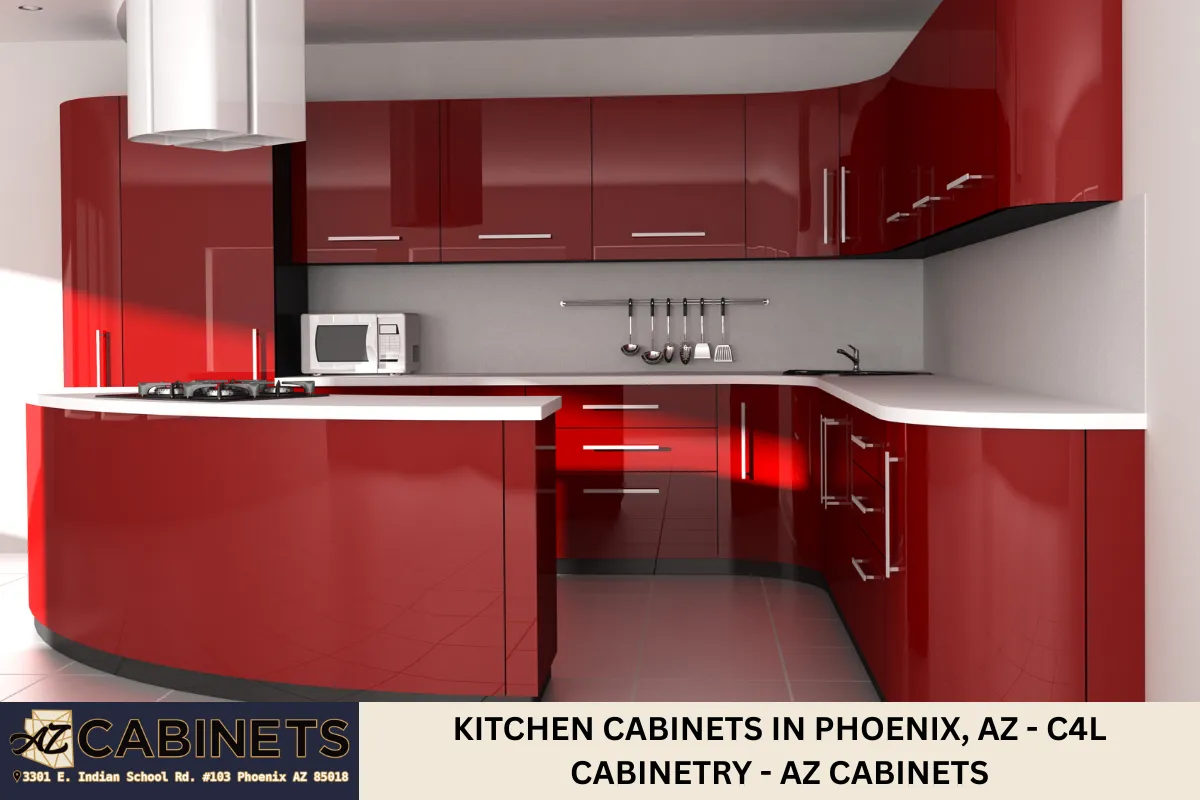
At C4L Cabinetry – AZ Cabinets, we understand what Phoenix kitchens demand from painted cabinetry. We specialize in high-quality kitchen cabinets designed to withstand Arizona heat while maintaining their beauty for years. Our cabinet showroom in Phoenix allows you to explore styles, finishes, and storage solutions tailored to real desert living. We focus on craftsmanship, material quality, and practical design—not rushed installations. While we don’t perform cabinet installation, we proudly refer clients to reputable contractors we trust. If you’re planning a kitchen update or need expert guidance, call us at (602) 314-6238 or fill out our contact form. We’re here to help you protect your investment.
Frequently Asked Questions
How often should painted kitchen cabinets be professionally inspected?
Professional inspection every two to three years helps identify early signs of paint failure, wood movement, or moisture damage. In Phoenix homes, inspections are especially helpful before and after extreme summer heat. A professional can spot subtle issues that routine cleaning may hide and recommend preventive solutions before repairs become costly.
Can humidity control really make a difference in cabinet longevity?
Yes. Even in dry climates, indoor humidity fluctuates due to air conditioning and cooking. Maintaining balanced humidity reduces wood expansion and contraction behind painted finishes. This minimizes cracking, peeling, and joint separation over time, especially in solid wood cabinet doors.
Are painted cabinets harder to maintain than stained wood cabinets?
Painted cabinets show dirt, chips, and grease more visibly than stained wood, but they are not harder to maintain with the right approach. Proper cleaning methods and protective habits can make painted finishes just as durable while offering a brighter, more modern kitchen appearance.
Do darker painted cabinets last longer in Phoenix kitchens?
Darker colors tend to show fading more quickly in strong sunlight, but they hide stains and fingerprints better than light shades. Longevity depends more on paint quality, finish type, and maintenance than on color alone. UV protection plays a key role.
Is refinishing painted cabinets better than replacing them?
Refinishing can be cost-effective when cabinet boxes are structurally sound. However, if the wood is warped, swollen, or poorly constructed, replacement offers better long-term value. A cabinet specialist can help determine which option suits your kitchen and budget.
Disclaimer: This article is for general informational purposes only and does not substitute professional advice. Cabinet care methods may vary based on materials, finishes, and environmental conditions. Always consult a qualified cabinetry professional for specific recommendations.
Read Buy Cabinets in Phoenix, AZ: Are MDF Cabinets Better Than Plywood?

Leave A Comment